Pipeline Leak Detection Services
Enviro Trace Ltd. provides advanced leak detection services across Canada for the Oil & Gas and Water Infrastructure industries. Since 1994, we’ve helped municipalities, utilities, and industries find leaks fast with non-invasive, cost-effective testing. Using acoustic, tracer gas, and infrared technology, we provide accurate results that protect assets, reduce downtime, and prevent environmental damage.
Enviro Trace Ltd
What Enviro Trace Ltd. actually does
Enviro Trace Ltd. is a Canadian leak detection company based in St. Albert, Alberta (70 Riel Drive). They work across Canada, with a heavy focus on oil and gas infrastructure and water infrastructure. Their core promise is pretty direct: find leaks quickly, locate them precisely, and do it without shutting down operations unless you absolutely have to.
They’ve been operating since 1994. That matters because leak detection is not only about owning a tool. It’s about repeatable field process, knowing what fails in real sites, and being able to work inside operational constraints like access restrictions, weather, safety rules, and limited downtime.
Enviro Trace’s website breaks their work into three service categories:
- Pipeline leak detection
- Tank leak detection
- Water leak detection (municipal and utilities)
And then it breaks the “how” into several technologies they use depending on the situation:
- SkyTRACE
- FlowTRACE
- Infrared thermography (GasFindIR / Infrared)
- Acoustic technology
- Ground Penetrating Radar (GPR), under their EnviroSCAN offering
That’s the menu. The real value is how they apply these in messy conditions where people are tired of guessing.
Why leak detection matters beyond “there is a leak”
Leaks create costs in layers. Not just the lost product or lost water.
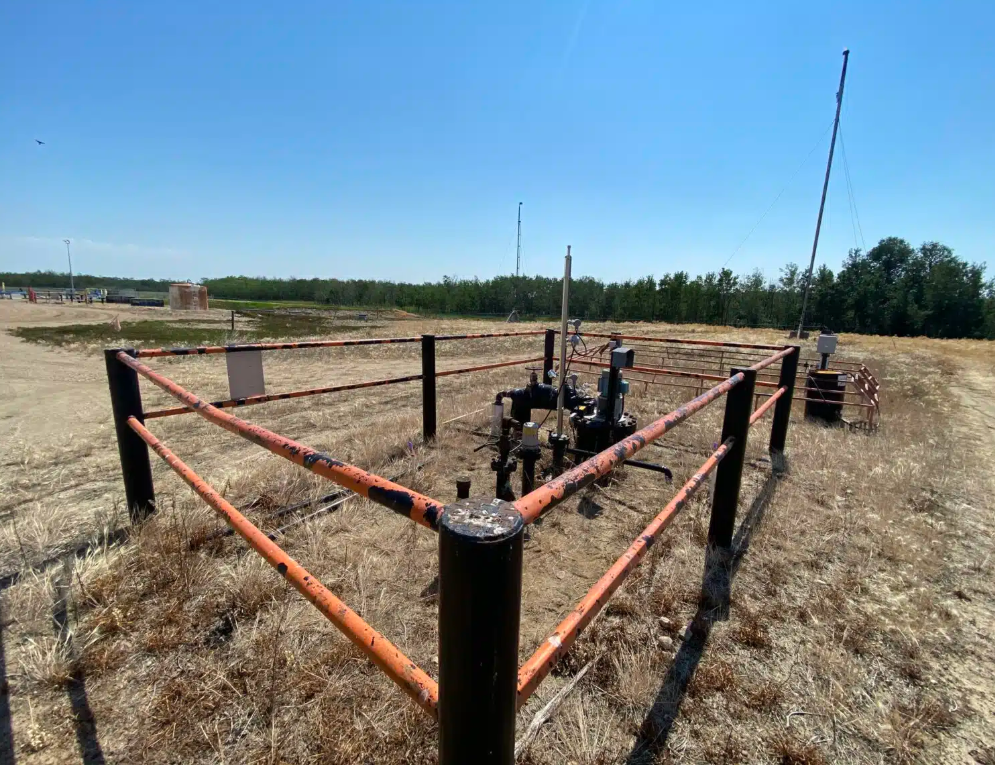
For oil and gas, leaks can trigger compliance and reporting pressure, environmental exposure, and operational disruption. Even if the leak rate looks small at first, the response can be expensive because of investigations, shutdown decisions, and remediation. If you cannot locate the leak precisely, you end up digging, isolating, draining, and retesting in loops.
For municipalities and water utilities, the big issue is non revenue water. That’s treated and pumped water that never gets billed because it escapes through leaks or faults. Enviro Trace makes a specific point that Canada does not have federal regulations that mandate targets or caps on municipal water losses, but there are still guidelines, best practices, and provincial programs that encourage municipalities to monitor and reduce water loss. In practical terms, that means the work still matters because budgets, service reliability, and infrastructure protection do not wait for federal rules.
They also connect water leaks to public infrastructure damage. Unchecked water leaks can undermine roads and surrounding structures, and when that turns into emergency work, costs jump.
The “non intrusive” part and what it changes
Enviro Trace repeatedly frames their work as non invasive or non intrusive, and they tie that to reduced downtime.
That’s not just a convenience feature. It changes what is feasible.
If a tank cannot be taken offline because it is tied into production, a traditional approach might force shutdowns, isolations, or major clean out work. Enviro Trace positions FlowTRACE based testing as something that can be done without downtime, while operations continue.
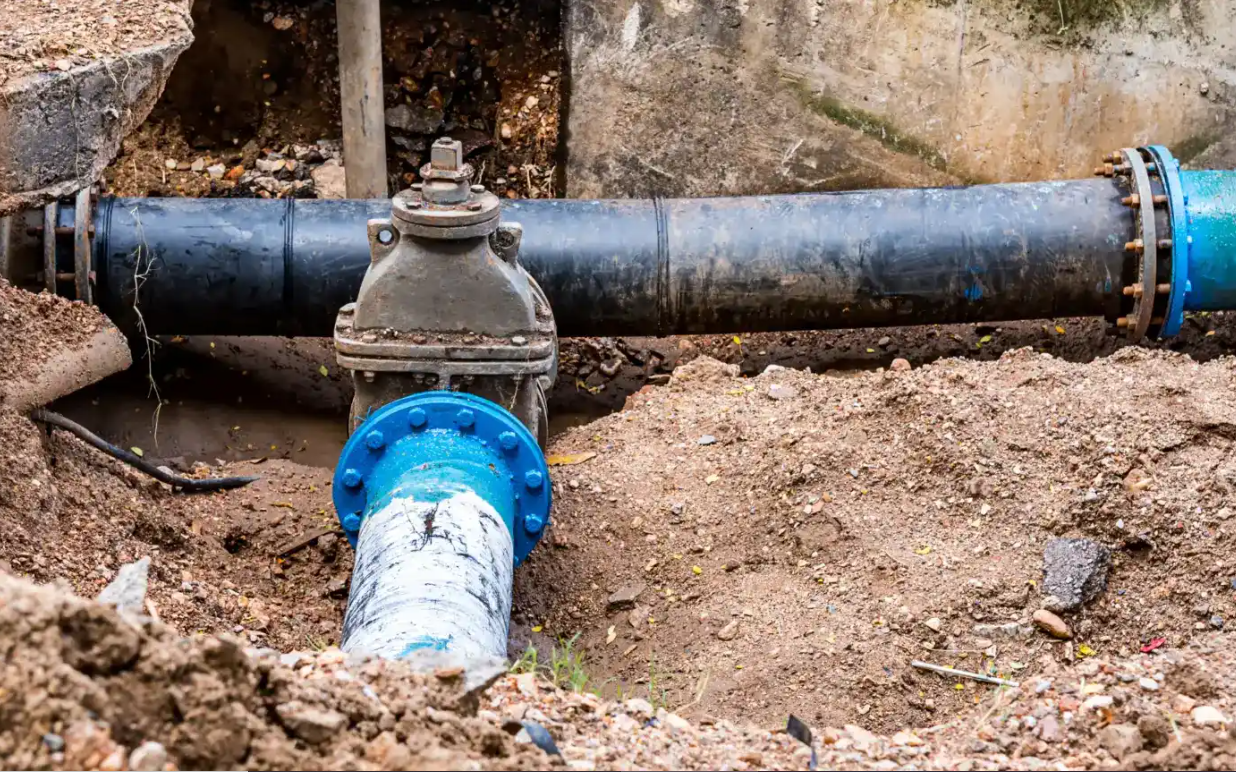
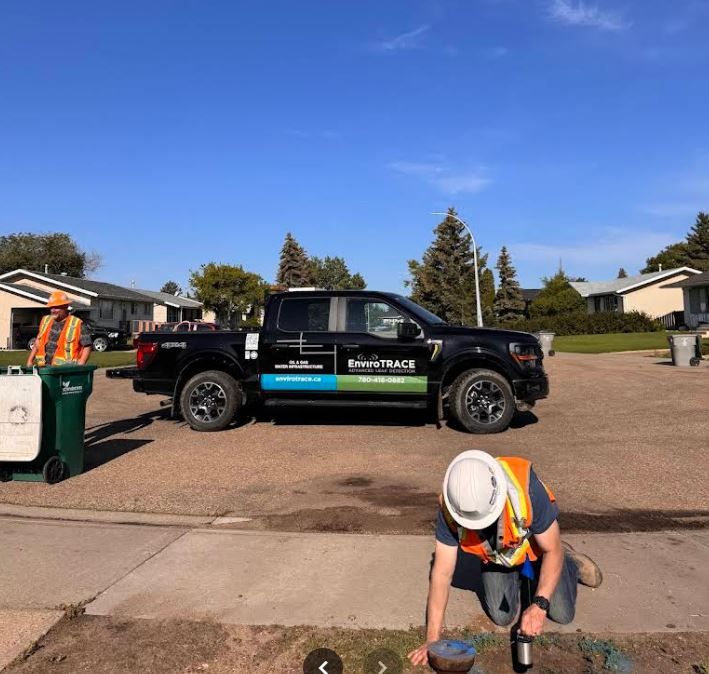
On the water side, they also emphasize no service interruptions. Their water leak detection page describes acoustic leak detection as sensors that can be attached to the outside of infrastructure, offering continuous monitoring without calibration, and without interrupting service. They pair that with tracer gas work using FlowTRACE, again described as no downtime.
So when they say non intrusive, the practical meaning is usually: do the test while the system is still in motion, and reduce the amount of digging and disruption needed to get an answer.
FlowTRACE and why tracer based testing shows up so often
FlowTRACE is their tracer based method for tanks and pipelines. Their technology page describes it as using fully inert chemical tracers, detecting leaks down to parts per billion, and doing it without downtime. They also describe applications like USTs and ASTs, and extensive pipeline networks.
On the water side, they describe FlowTRACE as using a fully inert, non hazardous Quantifiable Tagging Agent (QTA) tracer gas. Sensitive microelectronic sensors detect escaping tracer vapors. The goal is not vague detection. It’s to pinpoint and mark areas for repair.
Tracer methods show up in their case studies because tracer methods solve a very specific problem: there are situations where you cannot reliably locate the leak by line locating, or you cannot afford to excavate blindly, or the leak is intermittent and not producing a consistent signal.
FlowTRACE is built for those situations.
SkyTRACE and why remote terrain changes everything
SkyTRACE is described as a technology using advanced sensors and real time data collection, designed for remote and hard to access locations, with minimal disruption. They present it as ideal for oil and gas pipelines, utility lines, and underground infrastructure in challenging environments.
The case study that makes this tangible is their pipeline reactivation project during hydrotesting.
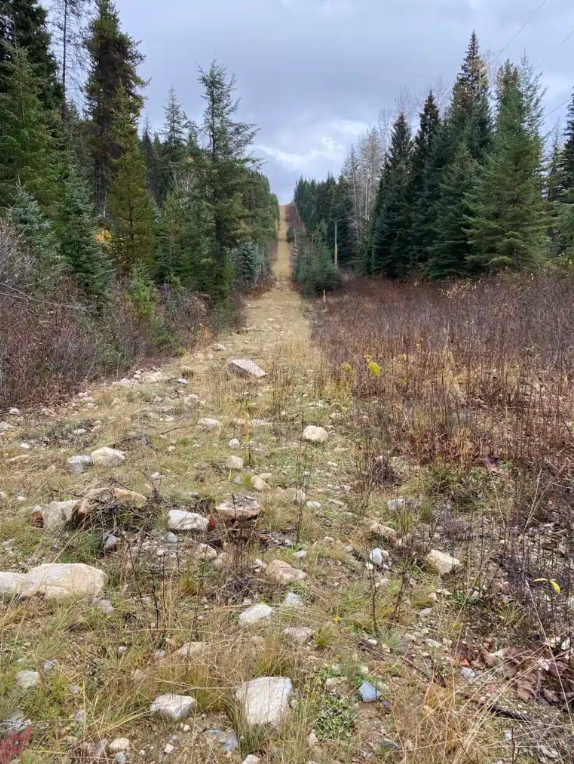
They describe two inactive pipeline segments covering about 192 kilometers. The line was filled with water for hydrotesting. If a failed reading occurred, pinpointing the leak location along that distance would be difficult, especially given the terrain. They list mountains, swamps, bodies of water, dense brush, and private property. They also mention limited cell coverage, wildlife, extreme weather conditions, wildfires, and landslides.
Their solution description is concrete:
a chemical marker introduced into the pipeline, atmospheric monitoring sensors installed along the pipeline length, and then data collection and analysis during hydrotesting. They also describe the staffing reality, a team working over six months using vehicles and hiking when needed, with sensor locations GPS located.
The result they report is that SkyTRACE helped verify the hydrotests were valid and no integrity breaches occurred, confirming the sections were tight and ready for reactivation. And they highlight the downstream audience: the prime contractor, the client, and the regulating body needed confidence.
That’s what leak detection often becomes in real life. Not just “fix the problem.” It becomes “prove the integrity to multiple stakeholders, under constraints.”
Case study lessons that explain how Enviro Trace approaches real sites
Large diameter tank leak, operations could not stop
They describe a 135 foot wide and 51 foot tall tank leaking from its base, and it could not be taken offline because it was imperative to operations.
Their solution was to set sampling ports under the floor in a designed array, calculate flow through, inject a QTA into the 24 inch inlet pipe upstream, and sample at 12, 24, and 72 hour intervals, followed by 7 and 10 day intervals.
The result detail is important: they detected a leak at the 24 hour mark, triangulated results to determine the leak location area, found three additional small leaks, and discovered one intermittent leak only on the 7 and 10 day samples.
If you manage tanks, that should change how you think about “a test.” Sometimes the leak is not going to show up in a short window. If you stop at 24 hours, you might miss the intermittent leak that only appears later.
Power plant closed loop system, concrete removal had to be minimized
They describe a closed loop glycol cooling system losing 4.5 L of coolant per hour. The goal was to locate the leak accurately so the client could minimize concrete removal.
Constraints were very specific: concrete thickness ranged from 1 to 6 feet, lines were inside a live plant, and the lines were high density poly piping, making line locating impossible.
Their process was staged testing, sampling ports at joints and elbows identified from as built drawings, sampling at intervals (24 hour, 72 hour, 14 day), and they report a leak detected at the 12 hour sample with verification from subsequent sampling. Then they disclosed the exact location so the client could repair a small section with minimal disruption.
This is what precision leak detection looks like. Not a perfect diagram. A way to reduce demolition and avoid tearing out more than needed.
Multiple inlet lines, ownership issues, and harsh weather
They describe a sump tank with multiple underground inlet lines, with a leak surfacing on location. The client needed to test and prove all lines were intact prior to recommissioning.
Constraints included that not all inlet lines were owned by the client, because a third party line drained into the sump from an adjacent facility. They also mention harsh weather, with several sample ports covered in thick ice.
Their solution included exposing the sump tank to determine line orientation, dosing stagnant drain lines with QTA, installing monitoring wells, and sampling for QTA to determine if any line sections were leaking.
The result: the client owned lines passed certification, and the third party line was determined to be the cause of the leak. Normal operations could resume.
That is a common real world mess. Leak detection projects are often also boundary disputes and accountability issues. If you can isolate which line is failing, you avoid spending money fixing the wrong asset.
Water leak detection for municipalities, what they emphasize
Enviro Trace’s water pages are blunt about what municipalities need:
- Reduce non revenue water loss by identifying leaks early
- Avoid emergency repairs
- Protect public infrastructure like roads
- Get data driven insights that help prioritize repairs and plan long term investment
They describe acoustic technology as sound based detection where distinct sounds occur when water is under pressure and a leak is present. They also position their approach as cost effective because it helps teams focus on the leaks that matter most, not just a long list of potential issues.
They describe FlowTRACE for water as a tracer gas approach using QTA with microelectronic sensors, no downtime required, and the ability to mark areas for repair.
So the pattern is consistent: find leaks, size and prioritize where possible, and reduce unnecessary digging.
Common mistakes people make with leak detection projects
Treating leak detection as a last resort
If you only start testing after repeated failures, the problem is usually worse and the options are fewer. Your team is under pressure, the public or regulators may be involved, and the budget is already leaking.
Proactive testing is cheaper than emergency response. That’s not a slogan. It’s how the math works when excavation, shutdowns, and overtime enter the picture.
Expecting one short test to reveal everything
The large diameter tank case shows why this fails. One intermittent leak only appeared on 7 and 10 day samples. If you stop early because the first day looks clean, you can end up with a false sense of safety.
Digging first, confirming later
Enviro Trace repeatedly pushes the idea of precision to prevent unnecessary digging. In municipal work, digging wrong often means road closures, restoration costs, and public complaints. In industrial work, it can mean digging around energized, hazardous, or congested systems.
Ignoring ownership and system boundaries
The multiple pipeline leak case is basically a warning. If multiple parties feed into a sump or network, you need a method that can separate which segment is leaking. Otherwise, you may fix your own assets and still have the problem.
What happens if leak detection is done poorly
If leak detection is imprecise or delayed, the predictable outcomes show up:
More downtime because troubleshooting becomes repeated isolations and retesting
More excavation and restoration costs because you are searching physically
Higher compliance and environmental exposure in oil and gas contexts
Higher operational costs in water systems, including wasted treatment and pumping energy
A recurring cycle where repairs happen, but confidence in integrity does not improve
Enviro Trace positions their work around avoiding those outcomes, mainly by using tracer methods, remote monitoring approaches, acoustic methods, infrared, and GPR based structural assessments under EnviroSCAN.
Enviro Trace Ltd. is structured around one idea: leak detection should produce actionable, defensible locations, not just suspicions. They talk about doing this with minimal downtime, and they back it up on their site with very specific examples: a 192 kilometer hydrotest support project using chemical markers and atmospheric sensors, a tank leak investigation using sampling ports and QTA injection with multi day intervals, and a power plant system where a 4.5 L per hour loss needed pinpoint location to avoid excessive concrete removal.
If you are responsible for tanks, pipelines, or municipal water systems, that is the real use case. You want a method that fits your constraints, produces a repairable target, and reduces the cost of being wrong.
Contact us:
Enviro Trace Ltd
70 Riel Dr, St. Albert, AB T8N 4A6, Canada
780-418-0882